Real-Time Executive Dashboard Intelligence: A South African Guide for 2026
Real-Time Executive Dashboard Intelligence is rapidly becoming a must-have capability for South African organisations that want to compete in a data-driven, always-on economy. From Johannesburg fintechs and Cape Town SaaS startups to national retailers and public-sector institutions, leadership…
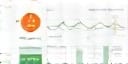
Real-Time Executive Dashboard Intelligence: A South African Guide for 2026
Introduction: Why Real-Time Executive Dashboard Intelligence Matters Now
Real-Time Executive Dashboard Intelligence is rapidly becoming a must-have capability for South African organisations that want to compete in a data-driven, always-on economy. From Johannesburg fintechs and Cape Town SaaS startups to national retailers and public-sector institutions, leadership teams need live, trustworthy insight into performance — not last quarter’s PowerPoint.
At its core, Real-Time Executive Dashboard Intelligence means giving decision-makers a single, interactive view of key metrics that refresh continuously from operational systems like CRM, ERP, finance, and call centre platforms. It combines real-time analytics (a highly searched term in the business intelligence industry this month) with executive-level storytelling: concise KPIs, intuitive visuals, and drill-downs into the data behind every number.
In this article, tailored for South African leaders and BI teams, we unpack what Real-Time Executive Dashboard Intelligence is, why it’s trending, and how you can implement it effectively on top of platforms like Mahala CRM and your existing data stack.
What Is Real-Time Executive Dashboard Intelligence?
Real-Time Executive Dashboard Intelligence is an integrated layer of intelligence and visualisation that sits on top of your operational systems and data platforms. It turns raw, constantly updating data into:
- Executive-ready dashboards — high-level KPIs aligned with strategy.
- Real-time or near real-time refresh — data updated every few seconds or minutes.
- Guided drill-down — the ability to click from a KPI into the detailed records driving it.
- Alerts and notifications — proactive signals when thresholds are breached.
- Role-based views — tailored dashboards for CEOs, CFOs, COOs, sales leaders, and operations managers.
Unlike static monthly reports, Real-Time Executive Dashboard Intelligence is:
- Interactive: Decision-makers can explore trends rather than passively reading a PDF.
- Contextual: Each KPI is enriched with benchmarks, targets, and historical comparisons.
- Connected: It pulls from multiple sources (CRM, ERP, billing, HR, support) into a unified view.
Why Real-Time Executive Dashboard Intelligence Is Trending in South Africa
1. The Demand for Real-Time Analytics and Live KPIs
Search interest in real-time analytics and executive dashboards has surged as South African organisations accelerate digital transformation. Executives are no longer satisfied with backward-looking reports. They want:
- Live sales pipelines segmented by region and product.
- Real-time customer service SLA adherence.
- Instant visibility into cash flow, collections, and credit risk.
- Operational metrics such as production throughput, delivery times, and contact centre performance.
Real-Time Executive Dashboard Intelligence meets this demand by connecting directly to live workflows and systems so leadership sees the current state, not last month’s average.
2. Remote and Hybrid Workforces Need a Single Source of Truth
With teams spread across provinces and time zones, South African companies need a common view of performance. Real-Time Executive Dashboard Intelligence gives executives and managers a unified, always-up-to-date lens on:
- Sales performance across national and regional teams.
- Customer satisfaction and retention across segments.
- Operational backlogs in service, logistics, and fulfilment.
3. Regulatory and Risk Pressures
In sectors like financial services, insurance, and telecoms, regulatory scrutiny and risk management requirements are increasing. Real-Time Executive Dashboard Intelligence helps boards and risk committees track:
- Compliance KPIs.
- Vendor risk posture and third-party performance.
- Operational resilience indicators and incident response times.
For more context on how real-time dashboards support risk oversight, see this external overview of what an executive dashboard is and why you need one.
Key Components of Real-Time Executive Dashboard Intelligence
1. Data Sources: CRM, ERP, and Operational Systems
A strong Real-Time Executive Dashboard Intelligence layer taps into multiple live systems, for example:
- CRM — leads, opportunities, revenues, churn (e.g. Mahala CRM).
- ERP — stock levels, purchase orders, financial postings.
- Support systems — tickets, SLAs, NPS, CSAT.
- HR platforms — headcount, absenteeism, attrition.
2. Real-Time Data Integration and Streaming
To achieve real-time or near real-time insight, you typically use:
- Change Data Capture (CDC) to stream updates from databases.
- Event streaming platforms like Kafka, Pulsar, or cloud-native equivalents.
- APIs and webhooks from SaaS applications.
3. The Dashboard Layer: Visualisation and Intelligence
On top of your integrated data, you build dashboards that:
- Highlight a small number of critical KPIs.
- Use clear visuals (gauges, time-series charts, maps, tables).
- Provide filters by date, region, product, and segment.
- Enable click-through to the underlying records for root-cause analysis.
4. Alerts, Thresholds, and Automated Notifications
Real-Time Executive Dashboard Intelligence should not be purely passive. Configure:
- Threshold-based alerts (e.g. SLA breach rate above 5%).
- Anomaly detection to spot unusual dips or spikes.
- Notifications via email, WhatsApp, Slack, or Teams for critical events.
Real-Time Executive Dashboard Intelligence Use Cases in South Africa
1. Sales and Revenue Dashboards
Typical KPIs for a South African sales-focused executive dashboard include:
- Pipeline value by stage (Lead, Qualified, Proposal, Closed/Won, Closed/Lost).
- Revenue by province, region, and channel.
- Average deal size and win rate.
- Churn and renewal rates for subscription products.
By integrating Mahala CRM data directly into your Real-Time Executive Dashboard Intelligence layer, a CEO can see, at a glance, today’s:
- New leads created and assigned.
- Deals moved between stages.
- Top-performing reps and regions.
2. Customer Experience and Service Dashboards
Operations and customer service leaders can track:
- Ticket volumes, first response times, and resolution times.
- SLA adherence for priority segments.
- Customer satisfaction (CSAT) and Net Promoter Score (NPS).
- Service issues by product or geography.
3. Financial and Cash-Flow Dashboards
Real-Time Executive Dashboard Intelligence helps CFOs and finance teams monitor:
- Daily cash position and forecast.
- Collections, ageing, and bad-debt risk.
- Revenue vs. budget on a rolling basis.<